Artificial intelligence has officially entered a new phase—one defined not just by powerful models, but by control over infrastructure. One of the most important signals of this shift came as Nvidia announced the acquisition of SchedMD, the company behind the widely used Slurm workload manager, a core tool in AI data-center operations.
According to Reuters, the acquisition is part of Nvidia’s broader strategy to deepen its influence across the entire AI stack, from chips and GPUs to the software that manages large-scale AI workloads. This development is already being closely followed by analysts and developers across platforms such as DICAPLO.AI, where AI infrastructure trends are shaping the next generation of digital products.
SchedMD is best known for developing Slurm, an open-source workload manager used by thousands of research institutions, AI labs, and data centers worldwide. Slurm plays a critical role in allocating compute resources efficiently—especially in environments running large AI models.
By bringing SchedMD under its umbrella, Nvidia is no longer just a hardware supplier. It is positioning itself as a full-stack AI infrastructure company, controlling how AI workloads are scheduled, optimized, and scaled. This shift has major implications for companies building AI-powered platforms, including those focused on mobile apps for iOS and Android and advanced website design driven by AI technologies.
One of the most discussed aspects of the deal is Nvidia’s commitment to keep Slurm open source. While this reassures the developer community, it also raises strategic questions.
Open source does not mean neutral ownership. By owning the company behind Slurm, Nvidia gains:
Deep visibility into how AI workloads are evolving
Influence over future roadmap decisions
Stronger integration between GPUs and workload software
These dynamics are part of a larger conversation around AI power concentration, a topic frequently explored in long-form analysis on the AI Blog and broader industry commentary across DICAPLO.com.
This acquisition signals a clear industry trend: AI competition is moving from models to infrastructure. While many companies race to build smarter algorithms, Nvidia is quietly securing the foundation those algorithms depend on.
For businesses, this means:
AI performance will increasingly depend on Nvidia-optimized stacks
Infrastructure choices may become more centralized
Entry barriers for new AI infrastructure providers may rise
These shifts will also affect how AI is deployed in digital marketing, automation, and content personalization—areas already being transformed through AI-driven strategies discussed in digital marketing solutions.
The SchedMD deal is not about short-term revenue; it is about long-term dominance. Nvidia is preparing for a future where:
AI workloads are larger
Data centers are more specialized
Software-hardware integration defines performance
In that future, owning both the engine and the traffic controller gives Nvidia a powerful advantage.
As AI continues to reshape industries—from enterprise software to creative technology—developments like this will remain central to understanding where the market is headed. That is why infrastructure-level moves are now considered some of the most important AI news covered across DICAPLO.AI.
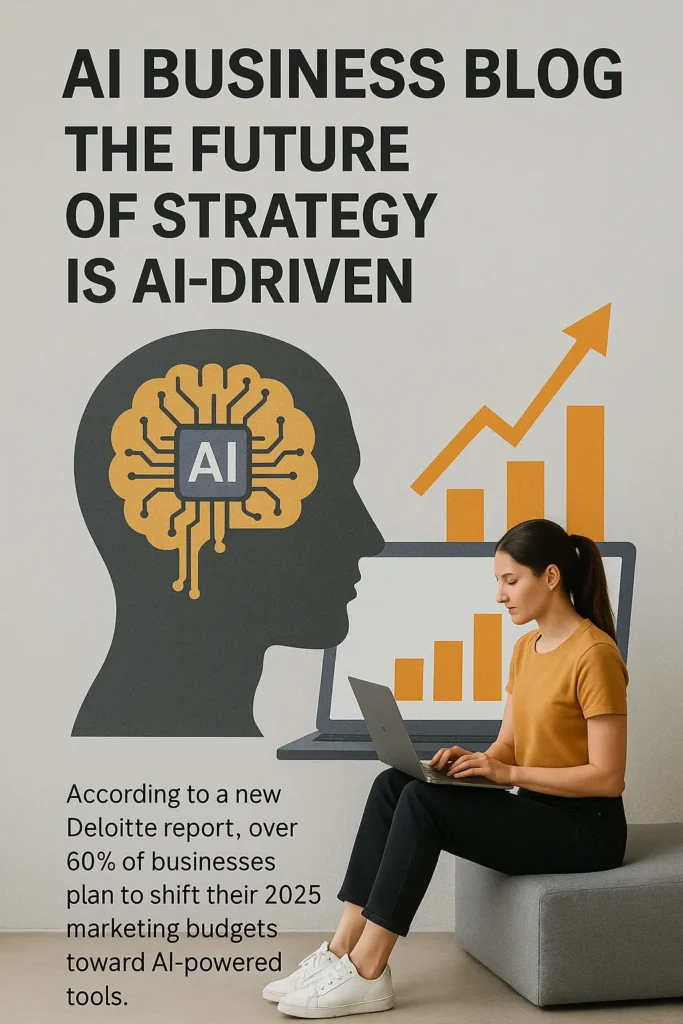
Artificial Intelligence is no longer a future concept it’s a present business necessity. According to a recent Deloitte report, over 60% of global businesses plan to shift their 2025 marketing budgets toward AI-powered tools. This growing adoption signals a major transformation in how companies develop, implement, and optimize their business strategies
.
From predictive analytics and automated content generation to personalized customer experiences, AI is rewriting the rules of engagement. In fact, AI’s integration is not limited to tech giants anymore. Small and medium businesses are now using tools like HubSpot’s AI CRM and ChatGPT for business to automate workflows and reduce overhead.
If you’re building a digital presence today, incorporating AI isn’t just a trend it’s a competitive edge. At DICAPLO, we help brands integrate AI across content creation, cinematic video editing, and website design to maximize engagement and streamline production. Read more in our AI Content Creation services or explore our insights on cinematic video editing to see real AI in action
As we approach 2025, one thing is clear: businesses that fail to embrace AI risk falling behind. Now is the time to invest in intelligent strategy, driven by real-time data, machine learning, and creative automation.
In today’s hyper-competitive market, traditional strategies are losing ground and AI-driven innovation is taking the lead. According to Deloitte’s global trends study, a significant 60% of businesses plan to redirect their marketing investments in 2025 toward AI-powered solutions. Why? Because AI is no longer an experiment it’s a revenue engine.
Brands are now leveraging tools like Google Cloud AI and OpenAI’s GPT models to personalize customer journeys, analyze massive datasets in real time, and even generate branded video teasers without human intervention.
At DICAPLO, we’ve already begun integrating AI in filmmaking and advertising campaigns, helping companies automate their storytelling while maintaining cinematic quality. Whether it’s through our AI Content Creation services or intelligent website design, we create experiences that feel personal yet scale globally.
The future of business belongs to those who act intelligently today. This is more than a shift it’s a renaissance of strategy. And the smartest brands are already ahead.
The role of Artificial Intelligence in business is shifting from experimental to essential. Recent findings from the World Economic Forum reveal that AI has officially entered the C-suite agenda, with over 73% of executives naming AI as the top driver of innovation and cost-efficiency for 2025 and beyond.
From generative content and customer insights to intelligent automation, AI is fundamentally reshaping how companies lead, grow, and compete. In fact, industries like advertising, e-commerce, and film production are seeing faster adoption rates than ever. Businesses that lag behind in AI integration are now viewed as risk-prone, rather than cautious
At DICAPLO, we don’t just follow the AI wave we shape it. Through services like AI Content Creation and Branded Teasers, we help companies turn vision into motion blending storytelling with machine intelligence to deliver smarter campaigns, faster.
Top-performing brands now use AI not just to cut costs, but to amplify creativity, enhance user experience, and scale outreach without losing their unique voice. The future isn’t just automated it’s strategically human with AI support.
For those leading into 2025, this shift means more than just using AI it means rethinking the business model around it.